
The Most Common Bedroom Decorating Mistakes
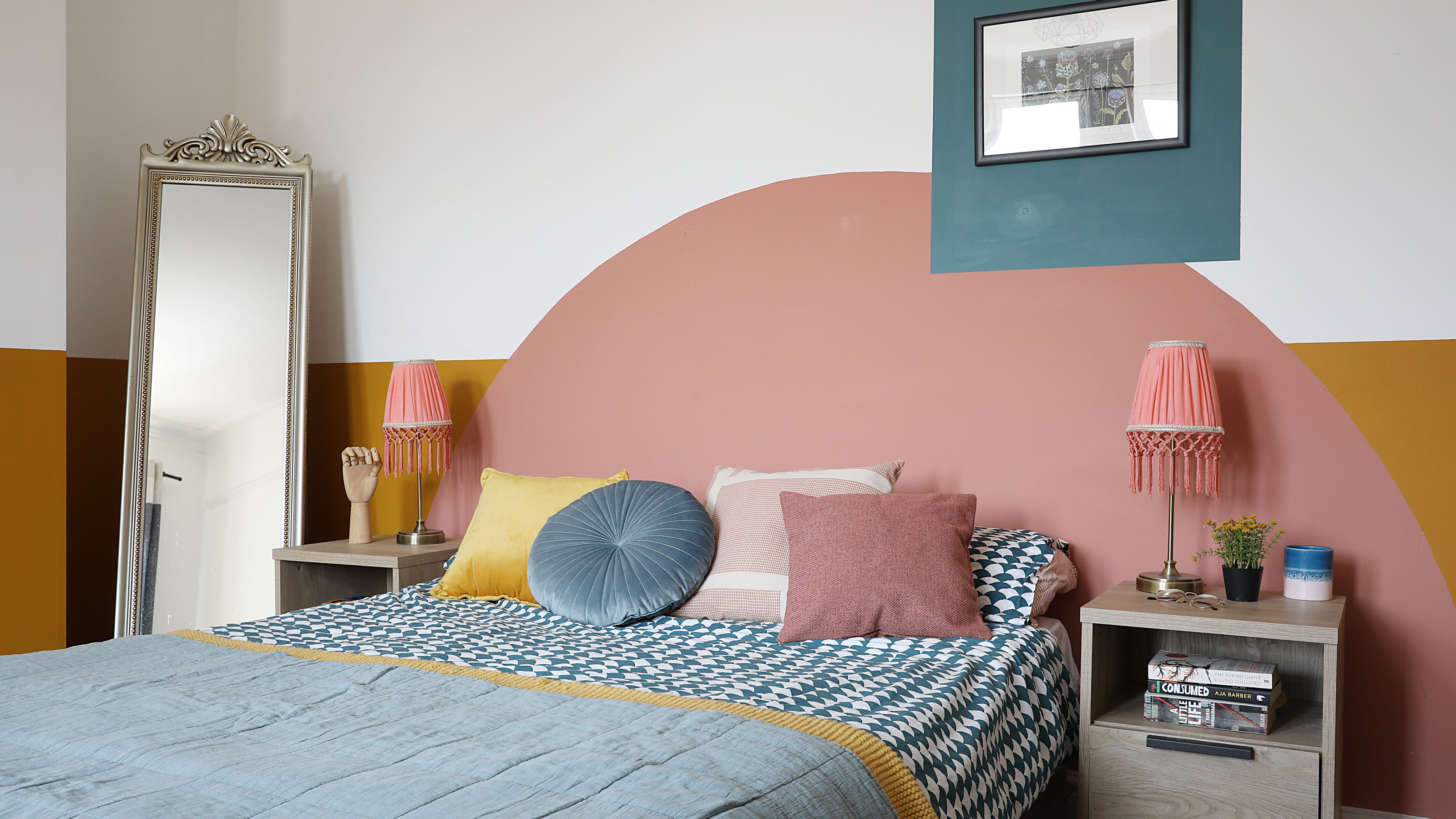
Bedrooms are deeply personal spaces. They are where we begin and end the day, where lighting feels softer, fabrics matter more, and comfort becomes just as important as aesthetics. A well-designed bedroom should feel calm, restorative, and quietly luxurious — not visually stressful or unfinished.
And yet, some of the most common decorating mistakes happen precisely because bedrooms are often designed last. People focus on the bed, the paint colour, or the furniture, while overlooking the details that actually shape the atmosphere of the room.
Designers notice these details immediately.
The curtains are hung too low, making the ceilings feel shorter. The fabric feels too heavy for the amount of natural light in the room. The shades provide either no privacy at all or plunge the room into darkness at the wrong hours. Individually, these mistakes may seem minor. Together, they can completely change how the bedroom feels.
The good news is that most of these issues are surprisingly easy to fix — and correcting them can make a bedroom look significantly more polished without requiring a full redesign.
Here are some of the most common bedroom decorating mistakes designers always notice, and how to avoid them.
Hanging Curtains Too Low
If designers could correct one bedroom mistake instantly, it would probably be this one.
Curtains that are mounted too low visually compress the room and make ceilings feel shorter. It is one of the fastest ways to unintentionally flatten a bedroom’s architecture.
Many homeowners instinctively install curtain rods directly above the window frame because it feels logical. But visually, this breaks the vertical flow of the wall.
Designers almost always hang curtains higher.
Why Height Matters So Much
Bedrooms benefit enormously from softness and visual elegance. Taller custom curtains naturally create both.
When curtain rods are mounted closer to the ceiling:
- The eye travels upward
- Walls appear taller
- Windows look larger
- The room feels more expansive and refined
Even standard-height bedrooms immediately feel more luxurious when curtains emphasize verticality rather than cutting it off.
This is particularly important in smaller bedrooms, where every visual trick matters.
Curtains Should Frame the Window — Not Shrink It
Another common mistake is using curtain panels that barely cover the window width.
Undersized curtains make windows feel smaller and more cramped. Designers usually extend rods wider than the actual frame so curtains can rest beside the glass rather than covering it when open.
This allows:
- More natural light into the room
- A larger-looking window
- Better balance across the wall
The bedroom instantly feels brighter and more spacious.
Incorrect Curtain Length Creates an Unfinished Look
Curtains that stop awkwardly above the floor often make a bedroom feel temporary or poorly proportioned.
Luxury interiors almost always use curtains that:
- Lightly touch the floor
- Hover just slightly above it
- Or puddle softly in more romantic interiors
Longer curtains create continuity and softness, which are especially important in bedrooms where comfort is central to the design.
Using the Wrong Fabric Weight
Fabric weight dramatically affects how a bedroom feels, yet it is one of the most overlooked design decisions.
The wrong material can make a room feel either cold and underdressed or heavy and suffocating.
Designers carefully consider how fabric interacts with:
- Natural light
- Ceiling height
- Room size
- Climate
- Mood
Because curtains are not just decorative. They influence the entire atmosphere of space.
Heavy Fabrics Can Overwhelm Smaller Bedrooms
Velvet drapery and thick blackout fabrics can look beautiful in the right setting, but in small or dim bedrooms, they may absorb too much light and make the room feel visually heavy.
This is especially noticeable in bedrooms that already receive limited sunlight.
A small room with dark heavy curtains can quickly feel enclosed rather than cozy.
Instead, designers often use:
- Linen blends
- Cotton textures
- Layered sheers
- Light-filtering fabrics
These materials maintain softness while still allowing the room to breathe.
Fabrics Should Match the Mood of the Room
Every fabric carries emotional weight.
For example:
- Crisp linen feels relaxed and airy
- Velvet feels dramatic and enveloping
- Sheers feel romantic and soft
- Structured cotton feels tailored and calm
One of the biggest mistakes people make is choosing fabric purely for colour while ignoring texture and mood entirely.
A serene minimalist bedroom usually benefits from lighter, quieter materials. A moody traditional bedroom may handle heavier fabrics beautifully.
The key is harmony.
When the curtain fabric aligns with the architecture and overall tone of the bedroom, the space immediately feels more cohesive.
Ignoring Light Control Needs
Bedrooms require a careful balance between softness and functionality.
Purely decorative curtains that allow harsh morning light to flood the room may become frustrating quickly. On the other hand, excessively opaque treatments can make the room feel gloomy during the day.
Designers often solve this by layering:
- Sheer curtains for daytime softness
- Heavier drapery panels for nighttime privacy
- Roman shades beneath curtains
- Blackout linings hidden behind lighter fabrics
This layered approach creates flexibility while maintaining elegance.
Privacy Issues With Shades
Privacy is one of the most important practical concerns in a bedroom, but it is also one of the easiest details to get wrong.
Many homeowners choose shades based solely on appearance without considering how they function at night.
A fabric that looks opaque during daylight may become surprisingly transparent once interior lights are turned on after sunset.
Designers always test window treatments under both daytime and nighttime lighting conditions because privacy changes dramatically depending on the hour.
Light-Filtering Does Not Always Mean Private
Light-filtering sheer roman shades are beautiful because they soften daylight and create warmth. However, in bedrooms facing neighbouring homes or busy streets, they may not provide sufficient nighttime privacy on their own.
This often leads to uncomfortable compromises where homeowners keep blinds permanently closed, sacrificing natural light during the day.
Instead, designers usually layer treatments strategically.
For example:
- Sheer roman shades paired with curtains
- Solar shades beneath drapery
- Sheers combined with blackout panels
- Dual-layer systems that adjust throughout the day
This allows the bedroom to remain both bright and private.
Roller Shades Can Feel Too Harsh Alone
Minimal roller shades are practical, but when used alone, they can sometimes make a bedroom feel cold or unfinished.
Bedrooms generally benefit from softness.
This is why designers frequently combine streamlined shades with curtains or textured materials. The shades provide function, while the fabric introduces warmth and comfort.
The room immediately feels more inviting and layered.
Gaps Around Shades Reduce Privacy
Another subtle but common issue is poorly fitted shades that leave visible gaps along the sides of the window.
During the day, this may not seem noticeable. At night, however, light escaping through these gaps can significantly reduce privacy.
Professional-looking window treatments are usually:
- Properly measured
- Mounted thoughtfully
- Chosen according to the exact window size and placement
Small technical details make a surprisingly large difference in how polished the room ultimately feels.
Why Bedrooms Need More Softness Than Other Rooms
Unlike kitchens or living rooms, bedrooms are emotionally tied to rest.
This means softness matters more here than almost anywhere else in the home.
The most beautiful bedrooms often rely on:
- Layered fabrics
- Warm lighting
- Gentle textures
- Balanced proportions
- Controlled natural light
When curtains, shades, and materials work together harmoniously, the room feels calmer almost immediately.
And often, that emotional atmosphere matters far more than expensive furniture ever could.
Final Thoughts
The best bedrooms are not necessarily the largest or the most elaborate.
They are the ones that feel balanced, restful, and intentional.
Something as simple as hanging curtains higher, choosing a softer fabric weight, or layering shades correctly can dramatically change how a bedroom feels both visually and emotionally.
Because ultimately, good bedroom design is not about filling the space with more things.
It is about creating comfort through proportion, texture, light, and softness — the details designers quietly notice first.


